In the world of Direct-to-Film (DTF) printing, achieving a vibrant, soft, and durable transfer relies on a harmony of premium materials. While the Fedar DTF printer and inks create the design, the DTF Hot Melt Powder is the unsung hero that makes it all stick. This specialized adhesive powder is fundamental to the process, acting as the crucial bonding agent between your printed design and the final fabric.
What is DTF Hot Melt Powder?
DTF Hot Melt Powder is a thermoplastic adhesive, applied as a fine dust to the wet ink printed on a PET film. After printing with a white underbase and colors, the powder is evenly distributed using a powder shaker or manually. When this powdered film passes through a heat press, the powder melts, creating a strong, flexible adhesive layer that permanently bonds the design to the garment upon cooling. Without this powder, the DTF transfer process cannot be completed successfully.
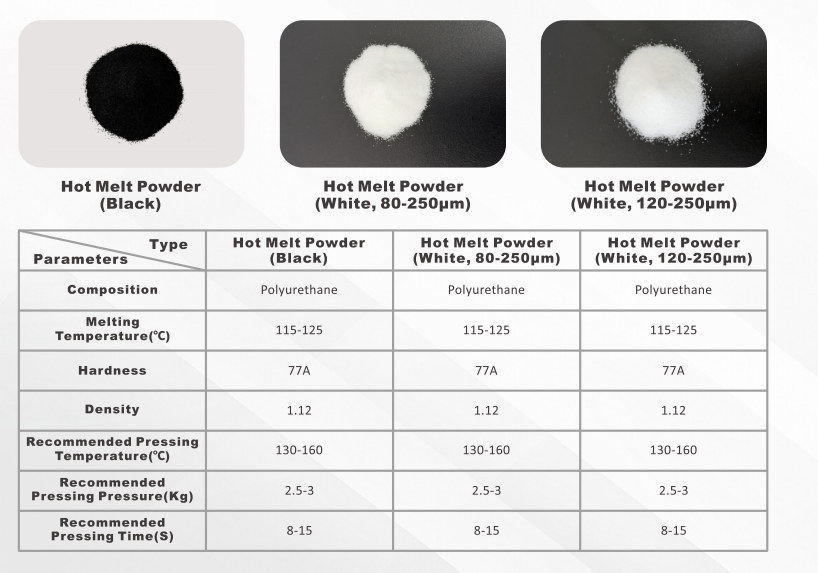
Key Properties of Quality DTF Powder
A superior DTF powder, like those compatible with a Fedar DTF printer system, offers a suite of essential properties for professional results:
Temperature Resistance: Performs consistently in a wide range, ensuring stability during the hot-press transfer and throughout the garment’s life.
Chemical Stability: Resistant to water, acids, alkalis, and corrosion (oxidants, oils), preserving the print’s integrity.
Soft Hand Feel: When melted and cured correctly, it creates a flexible adhesive layer that maintains the fabric’s drape and comfort.
Choosing the Right Powder for Your Project
Selecting the correct powder type is as important as using a reliable Fedar DTF printer. Powders are categorized by particle size and specialized additives to match different fabrics and effects:
Soft Powder (80-170μm): Ideal for smooth fabrics like T-shirts and polos, providing a soft, seamless finish.
Coarse Powder (120-250μm): Designed for textured materials like denim, canvas, or linen, offering a stronger bond for rougher surfaces.
Anti-Stretch Powder: Formulated for elastic fabrics, maintaining adhesion and preventing cracks on stretchy materials.
Anti-Sublimation Powder: Essential for dark garments, it acts as a blocker to prevent the underlying fabric color or pattern from showing through the transfer.
Quick-Peel Powder: Enables immediate peeling of the film after pressing (hot peel), significantly speeding up production workflow.
Storage and Best Practices
To maintain performance, DTF powder must be stored in a sealed container in a cool, dry environment. Exposure to humidity causes clumping, leading to uneven application, poor adhesion, and flawed transfers—issues that can undermine the quality output of even the best Fedar DTF printer.
Conclusion: The Foundation for Professional Results