In the competitive world of custom apparel, capturing attention is everything. Fluorescent colors—often called neon colors—are a powerful tool in any designer’s arsenal, offering an unmatched level of vibrancy and eye-catching appeal. When it comes to translating these electrifying designs onto fabric with durability and brilliance, Fedar DTF printer technology provides the ultimate solution. This guide explores the science behind fluorescent prints and how the right equipment unlocks their full potential.
The Science of Fluorescence: Beyond Ordinary Color
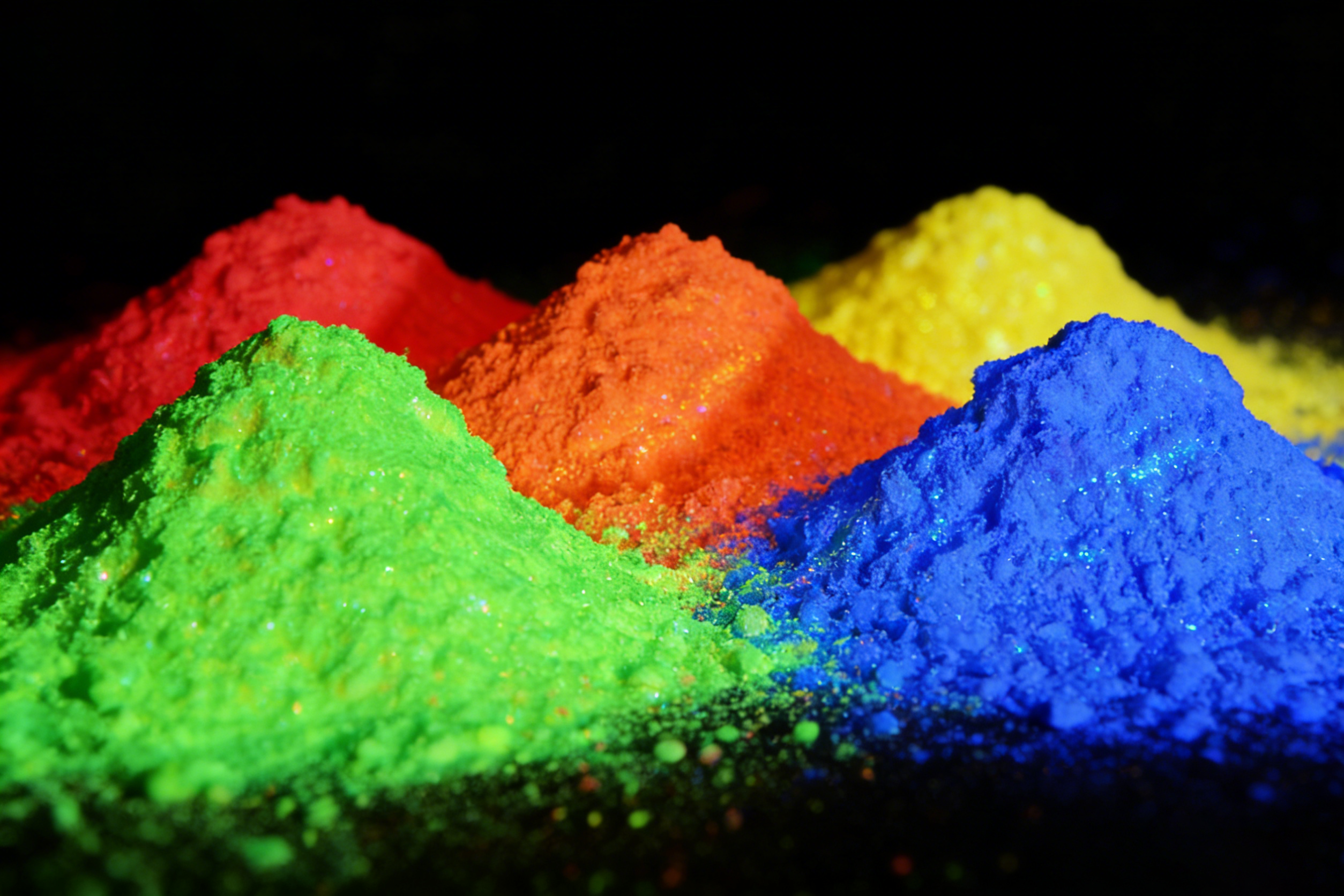
Unlike standard colors that simply reflect light, fluorescent colors actively convert and emit it. The special inks used contain fluorescent agents that absorb invisible ultraviolet (UV) light from sources like sunlight or fluorescent lamps. They then re-emit this energy as visible, brilliant white light. This extra emitted light makes fluorescent pigments appear significantly brighter, more vivid, and seemingly “glowing” compared to traditional inks. For businesses, this means designs that stand out in a crowd, perfect for sportswear, safety gear, festival merch, and impactful branding.
The Step-by-Step Process for Fluorescent DTF Printing
Achieving consistent, high-quality fluorescent prints requires a precise workflow. Here is a streamlined process optimized for professional results:
1. Design Creation: Start by preparing your vibrant artwork using professional graphic design software, ensuring colors are set up correctly for print.
2. Printer & Ink Setup: This is a critical stage. Load your Fedar DTF printer with high-quality, dedicated fluorescent inks. Using inferior inks is a common pitfall that leads to dull colors, clogged printheads, and poor wash durability.
3. Film Preparation & Printing: Ensure the PET transfer film is clean and free of dust. Print your design directly onto the film using the Fedar DTF printer, which is engineered to handle the unique viscosity of pigment-based inks, including fluorescents.
4. Powder Application & Curing: Evenly apply a layer of hot-melt adhesive powder over the wet ink. The film then moves through a curing process where heat melts the powder, creating a flexible, adhesive layer that will bond to the fabric.
5. Heat Transfer: Place the cured film onto your garment (like a t-shirt) and use a heat press. The heat and pressure activate the adhesive, permanently transferring the design. After a brief cooling period, the film is peeled away, leaving a soft, vibrant print.
Why Fedar DTF Printers Excel with Fluorescent Colors
Producing exceptional fluorescent prints demands more than just special ink; it requires a printer built for precision and reliability. This is where Fedar stands out.
Conclusion: Light Up Your Business with Confidence
Mastering fluorescent color printing opens up a new realm of creative and commercial possibilities. The key to success lies in the synergy between high-quality fluorescent inks and a robust, reliable printing system. By choosing a Fedar DTF printer, you invest in technology designed to handle the demands of specialty inks, ensuring every neon design is produced with maximum impact, consistency, and quality. Elevate your product offerings and captivate your market with the power of professional fluorescent DTF printing.